
The founder and core team of AITracker have more than 12 years of experience in the R&D and production of solar tracker and tracking controllers. The controller products have undergone 7 generations of iterations and have passed various authoritative certifications such as UL, with a total of 8GW of global projects delivered.
AITracker's core products are string powered control system including TCU AIT-1500, NCU480, SCADA, etc.
The products are mainly used in flat single-axis solar tracker systems.
AITracker delivers end-to-end support through a global team:
· R&D hubs in China, India
· Pre-sales, project-delivery and after-sales teams in Europe, Latin America, Asia-Pacific and India
· 24-hour response guarantee backed by our engineering team and professionals
· Our differentiator is the self-developed control ecosystem: proprietary TCU & NCU hardware, driven by in-house smart-tracking algorithms that measurably boost energy yield.
Core markets are Asia-Pacific, Europe and Latin America, with growing footprints in China, Africa and North America. Cumulative shipments exceed 8 GW.
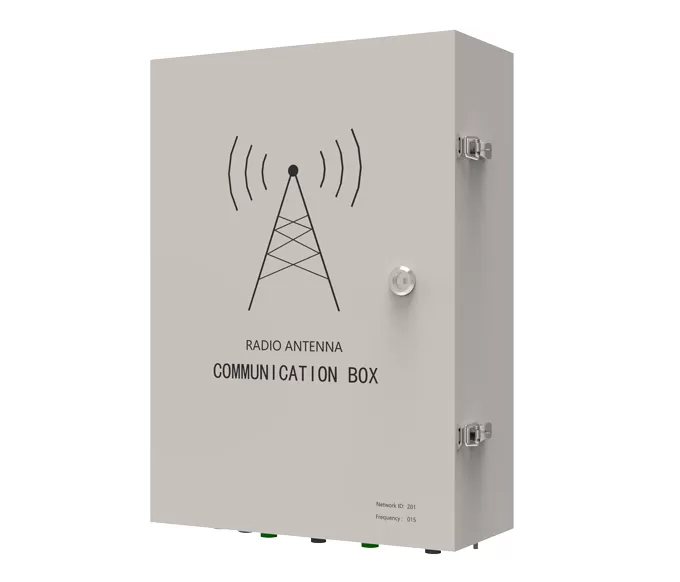
· NCU (Network Control Unit)= communication hub. It manages up to ~120 TCUs within a 300 m Zigbee radius and transmits data to SCADA.
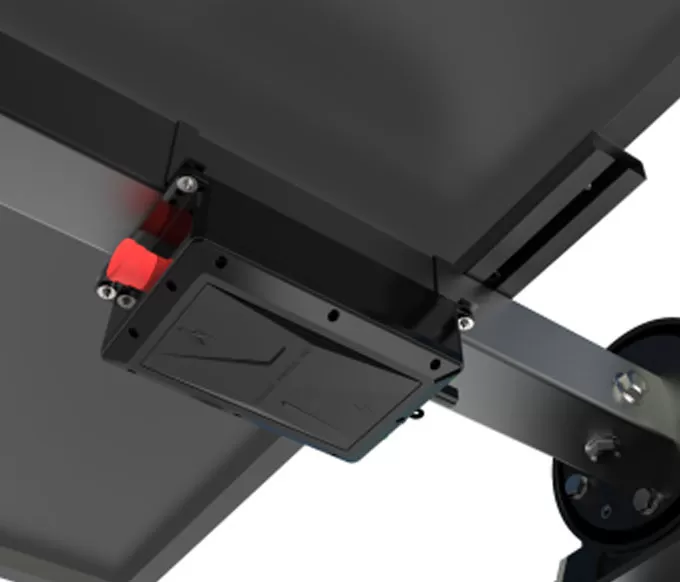
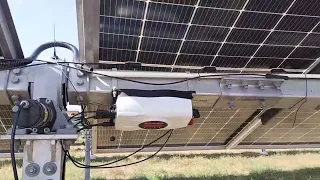
· TCU (Tracker Control Unit)= field-level electrical controller. It executes the tracking algorithm, drives the motor and contains switch-mode PSU, CPU, motor driver, communication module, emergency-stop switch and protection circuits. Battery options depend on power strategy.
· Two standard links between NCU and TCU:
· RS485 wired: ultra-stable, lower latency, best for flat terrain or regions with low labour cost.
· Zigbee wireless: self-healing mesh, 300 m typical range, quick install, ideal for irregular or sloped sites.
· Rough guideline: 120 TCUs per NCU within a 300 m radius; final count is adjusted for topography and local radio conditions.
· Standard TCU/NCU: ≥10 °C to +60 °C. Low-temperature battery version: ≥-40 °C to +60 °C.
· String feeding, self-powered PV input or grid AC.
· String-powered TCU: DC 300 V – 1,500 V
· AC-powered TCU: AC 90 V – 264 V
· Mechanical & sensor installation of TCU and NCU
· Build commissioning environment (network, safety)
· Use PC software or mobile APP
Acceptance:
· Manual mode: TCU moves correctly via APP/PC command
· Network mode: TCU visible to NCU, executes NCU commands and reports status without error
· Default wind-stow and other protections react in seconds e.g.,3sforhigh- wind. Thresholds and reaction times are user-adjustable based on site data or customer requirements.
· String-powered TCU: integrated backup battery
· AC-powered TCU: no internal battery
· NCU240 (AC): no battery
· NCU480: built-in UPS with backup battery
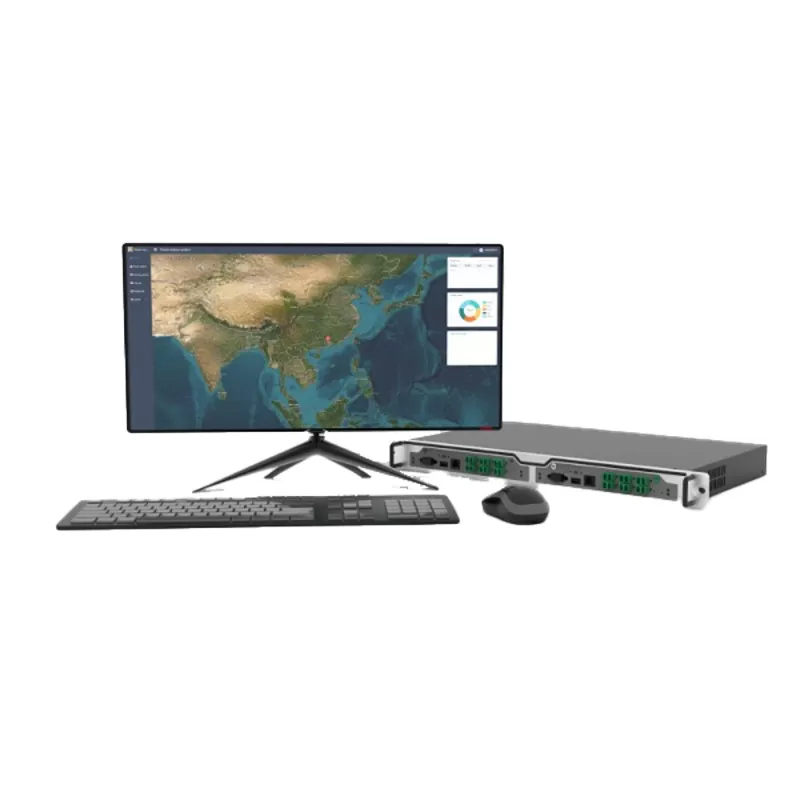
· Our self-developed SCADA delivers real-time monitoring, fault alarming, precision control, meteorological data acquisition, event logging and data forwarding—helping plant owners cut O&M costs and increase energy output.




 Company Brochure