Tel:
+86 15618559327
+86-185 2024 2587

A solar tracker may appear to be a simple mechanism that moves PV modules toward the sun, but its actual operation involves continuous calculation, communication, and adjustment. Every movement has to work with changing sunlight conditions, equipment status, and environmental factors. As solar plants become larger, the accuracy and reliability of these control processes can have a noticeable effect on overall system performance.
The control layer has therefore become an important part of modern solar tracking solutions. The tracking control unit executes tracking commands and manages field-level operations, while a SCADA control system provides centralized monitoring, data collection, and operational analysis across the PV plant.
For engineers, EPC contractors, and project teams, selecting a solar tracker means looking beyond the mechanical structure. How accurately the system positions the modules, how it responds to changing conditions, how field devices communicate, and how easily operators can identify problems all matter once the plant is running.
A solar tracker changes the orientation of PV modules during the day so that they can maintain a more favorable position relative to incoming sunlight. This is different from a fixed-tilt installation, where the module angle remains unchanged after installation.
The basic idea is straightforward, but reliable tracking requires several parts to work together. The structure supports the modules, the drive mechanism provides movement, the controller determines where the tracker should move, and the communication system carries information between field equipment and higher-level software.
This is why the performance of a tracker cannot be judged only by its mechanical design. A strong structure is useful, but it still needs accurate positioning commands and dependable communication. Likewise, sophisticated software cannot compensate for mechanical components that are poorly matched to the site.
During selection, project teams should therefore look at the tracker as a complete operating system. Tracking accuracy, control architecture, communication capability, environmental conditions, maintenance requirements, and integration with other plant equipment all deserve attention.
The approach is particularly important for large PV plants. When a project contains many tracker rows, a small problem that occurs repeatedly across the field can become much more significant than an isolated equipment fault. A suitable control architecture makes it easier to keep operation consistent across the plant.
Single-axis trackers are widely used in utility-scale photovoltaic projects. Instead of keeping PV modules at a fixed angle, the system rotates rows around one axis, normally following the sun's movement from east to west.
The mechanical movement itself is only one part of the process. The tracker has to determine the appropriate position, send commands to the drive system, confirm operating status, and respond when conditions change.
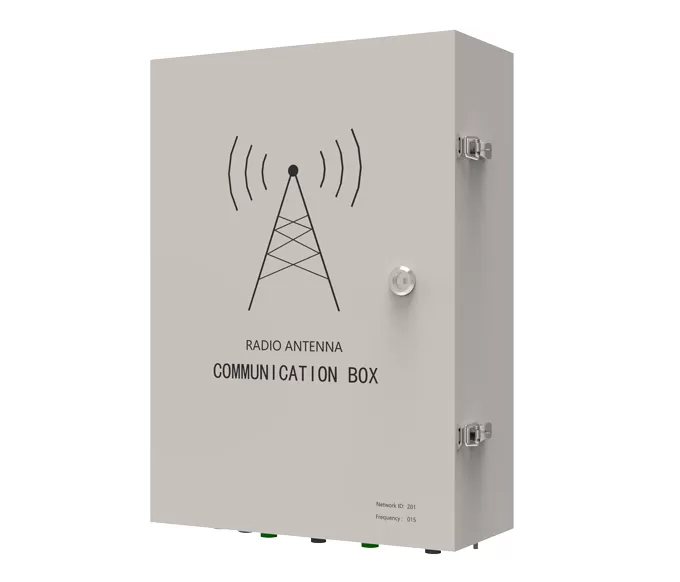
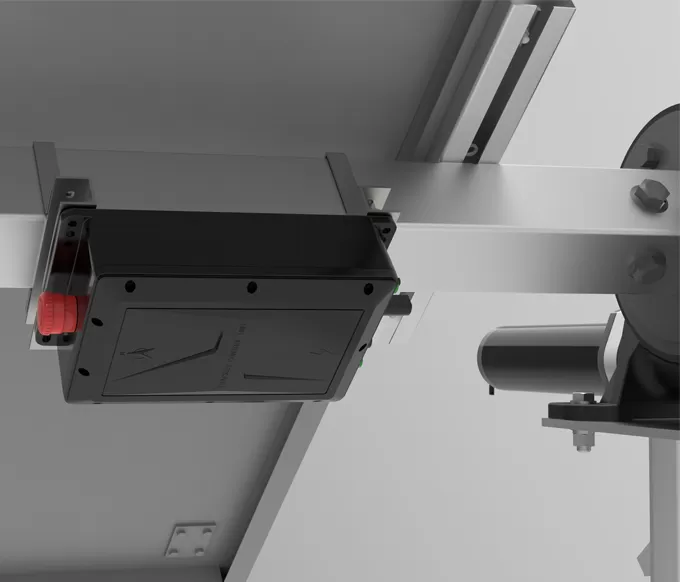
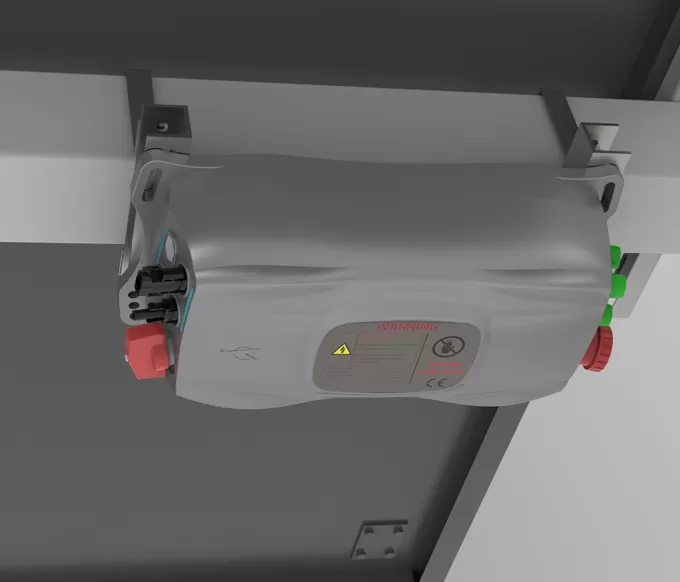
This is where the tracking control unit becomes important. It acts as the field-level control point between the tracking strategy and the physical drive equipment. Depending on the system architecture, it can process astronomical tracking information, sensor signals, operating parameters, and protection commands.
For a utility-scale installation, the controller also needs to handle communication reliably. Operators may need to know whether a tracker is moving normally, has stopped, or has entered a protective position. Without dependable field data, identifying the cause of a problem can take considerably longer.
A well-designed tracking control unit therefore does more than tell a motor when to move. It forms part of the operating infrastructure that keeps large numbers of tracker rows coordinated and observable.
The tracking control unit can be considered the link between the tracking algorithm and the physical movement of the PV structure. Its job is to turn calculated positioning requirements into commands that the drive system can execute.
Under normal conditions, the controller follows the required tracking position throughout the day. When the operating environment changes, the same controller may need to handle different instructions. For example, strong wind conditions can require the tracker to move into a predefined safe position rather than continue normal tracking.
This makes response logic just as important as ordinary tracking accuracy. A controller used outdoors must also remain stable while exposed to temperature changes, dust, humidity, and other environmental conditions that vary from one project location to another.
Communication and diagnostics are equally useful in larger installations. When a tracker develops a problem, operators need enough information to determine whether the issue comes from the drive mechanism, communication network, power supply, or controller itself. Better diagnostic information can reduce unnecessary site inspections and make maintenance more targeted.
Zeyang provides intelligent control solutions for renewable energy and industrial automation applications. Its tracking control unit solutions are designed for applications where accurate tracker control, communication, and system coordination are required.
When comparing controllers, it is worth checking more than the basic control function. Communication protocols, integration options, environmental suitability, remote management capabilities, and the way the controller handles abnormal conditions can all influence the practicality of the final system.
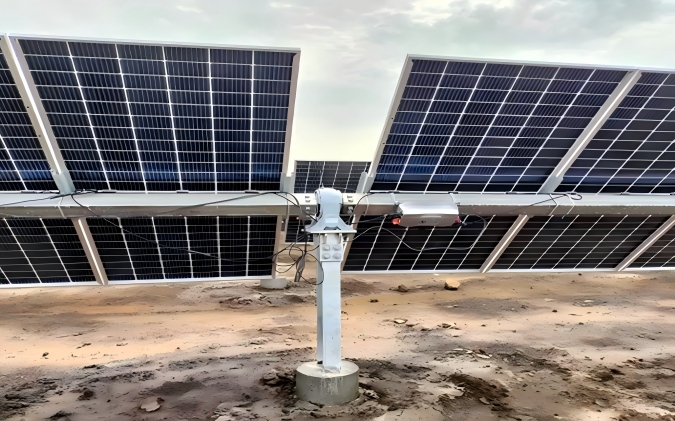
A tracker that works well on one solar site may need a different operating strategy somewhere else. Local conditions influence both the mechanical design and the way the control system should behave.
Wind is a good example. In a high-wind location, the tracker may spend part of its operating time responding to wind-related protection requirements. The control system needs to recognize the relevant condition and execute the appropriate stow strategy without creating unnecessary mechanical stress.
Terrain can also affect tracker installation. A relatively flat site may allow a straightforward arrangement of tracker rows, while uneven terrain can create additional challenges for alignment, installation, and communication between field devices.
Temperature and weather exposure should also be considered when choosing control equipment. Outdoor devices may experience large temperature changes, dust, moisture, or seasonal snow. The controller and associated communication equipment need to be selected with the actual environment in mind rather than relying on assumptions based on a different project location.
Communication distance is another practical consideration. Large solar plants can cover extensive areas, so the network connecting individual trackers to higher-level control equipment needs to remain stable. A technically capable controller is of limited value if its data cannot reach the monitoring platform reliably.
Field-level tracker control solves only part of the operating problem. Once a PV plant contains a large number of trackers and other electrical devices, operators also need a way to see what is happening across the site. This is where a SCADA control system becomes useful.
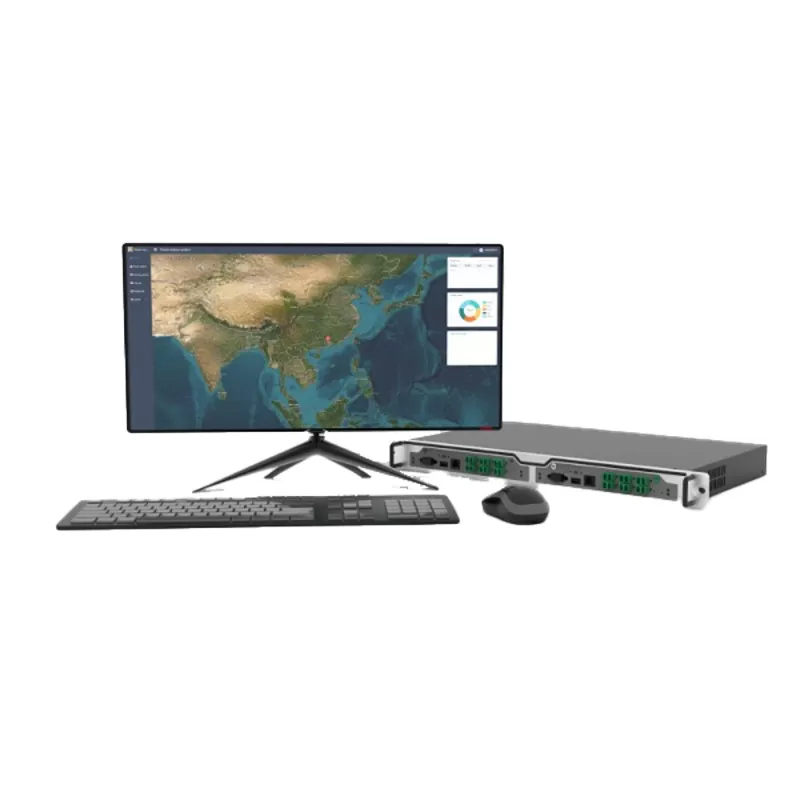
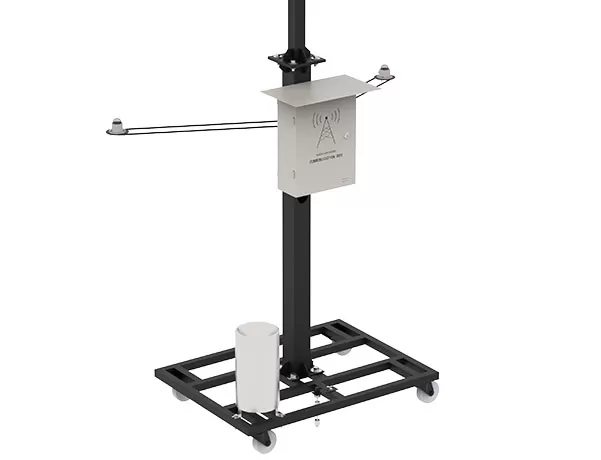
A SCADA control system collects information from different field devices and presents it through a centralized interface. Depending on the project architecture, this may include tracker status, alarms, equipment conditions, communication information, and other operational data.
The practical benefit is easier supervision. Instead of checking individual tracker controllers one by one, operators can use the SCADA platform to identify abnormal conditions and determine where attention is required.
Historical data can also be useful. If a particular tracker repeatedly reports communication interruptions or abnormal operating conditions, the information stored by the SCADA control system can help maintenance teams investigate whether the problem is isolated or part of a broader pattern.
The relationship between the two systems is straightforward. The tracking control unit manages what happens at the tracker, while the SCADA control system gives operators a wider view of what is happening across the plant.
This distinction is important when planning a control architecture. A tracker controller should not be expected to perform every plant-level monitoring function, just as a SCADA platform should not replace the field controller responsible for precise mechanical movement.
Zeyang develops control and automation solutions for applications that require equipment coordination and centralized monitoring. Its SCADA control system solutions can be considered where PV equipment and other field devices need to be brought into a more unified monitoring environment.
| Control Solution | Main Function | Strengths | Typical Application |
|---|---|---|---|
| Local Tracker Controller | Handles basic movement and local tracker operation | Simple architecture and direct field control | Smaller PV installations and basic tracking applications |
| Tracking Control Unit | Manages tracking logic, movement, communication, and protection functions | More comprehensive field control and easier integration with larger systems | Utility-scale solar tracking projects |
| SCADA Control System | Collects data and provides centralized monitoring and operational management | Better plant-wide visibility, alarm management, and data analysis | Large PV plants and complex renewable energy installations |
Comparing tracker suppliers only by structure dimensions, drive components, or headline specifications can leave out some of the factors that become important after commissioning. The control architecture deserves a place in the evaluation from the beginning.
One useful question is how the supplier manages communication between the tracker and the central monitoring platform. Another is how the controller behaves when communication is interrupted, environmental conditions change, or a mechanical component reports an abnormal state.
Integration should also be discussed early. If the project already has a plant monitoring architecture, the new tracking equipment needs to communicate with it without creating unnecessary complexity. Compatibility with the planned SCADA control system can make a significant difference to commissioning and future maintenance.
Scalability is another consideration. A control architecture that works for a small installation may not be the right choice for a large solar farm. Project teams should consider how easily additional trackers, monitoring points, or other equipment can be added later.
Technical support is equally relevant. When a control problem occurs in a large PV field, having access to someone who understands both the equipment and the application can shorten the troubleshooting process. Zeyang offers a range of control technologies for renewable energy and industrial applications, and its control product solutions provide a starting point for reviewing different automation requirements.
For projects where tracker configuration, communication architecture, or plant monitoring requirements need further technical discussion, teams can contact Zeyang's technical team to discuss the application and determine which control approach is appropriate.
A solar tracker is ultimately only as effective as the control system that tells it how and when to move. Mechanical strength remains important, but accurate positioning, reliable communication, environmental response, and useful operating data all contribute to the performance of the finished PV plant.
The tracking control unit handles the detailed work at the field level, turning tracking requirements into physical movement and responding to operating conditions. A SCADA control system works at a broader level, giving operators access to equipment information and helping them manage a large number of devices from one platform.
For project developers and system integrators, evaluating these two layers together provides a more realistic picture of a solar tracker's long-term value. The right solution is not necessarily the most complicated one, but the one that fits the site's conditions, integrates with the rest of the plant, and remains practical to operate and maintain over time.
A tracking control unit is the field-level controller that manages tracker positioning and communicates operating commands to the drive system. It can also handle monitoring, communication, and protection functions depending on the system architecture.
The tracking control unit converts tracking calculations and operating information into physical movement. It also allows the tracker to respond to conditions such as abnormal equipment status or high-wind protection requirements.
A SCADA control system collects information from field equipment and presents it through a centralized platform. It can support equipment monitoring, alarm management, historical data analysis, and plant-level supervision.
The tracking control unit manages individual tracker operations, while the SCADA control system collects and displays relevant information from those controllers. This creates a connection between field-level control and plant-level monitoring.
Wind, terrain, temperature, dust, humidity, snow, communication distance, and other local operating conditions should be considered because they can affect tracker design and control requirements.
In addition to mechanical design, buyers should examine controller capability, communication compatibility, protection functions, SCADA integration, environmental suitability, scalability, and technical support.