English
  Deutsch
  Español
  italiano
  português
  العربية
  Türkçe
  български
  Polska
  română
  தமிழ் மொழி
Tel:
+86 15618559327
+86-185 2024 2587

A solar tracker is only as effective as the control system behind its mechanical movement. The structure may rotate the PV modules, but the controller determines when and how that movement happens, checks whether the tracker reaches the intended position, and communicates operating information to the rest of the plant.
This is where the tracker control unit, or TCU, becomes important. In a utility-scale PV project, a TCU is not simply a motor controller. It connects tracking algorithms, drive systems, position feedback, communication networks, and plant-level monitoring. Choosing the right TCU platform therefore requires looking at the complete control architecture rather than one isolated specification.
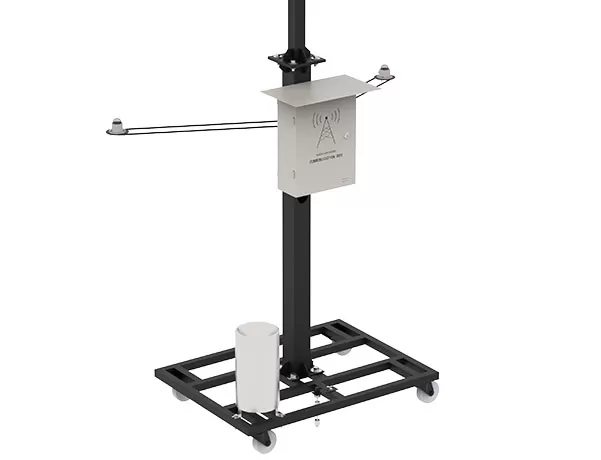
The main job of a tracker control unit is to translate a desired tracking position into commands that the physical tracker can execute. The target position may come from astronomical calculations or another tracking algorithm. The TCU then coordinates the movement while checking the current operating condition.
Position feedback is an important part of this process. The controller needs to know whether the tracker has reached the intended position and whether the drive system is behaving normally. Depending on the architecture, the TCU may also monitor motor status, communication status, power conditions, and fault information.
This makes a complete TCU platform different from a basic motor controller. A solar tracker needs coordinated control, monitoring, and communication, particularly when many tracker rows are distributed across a large PV site.
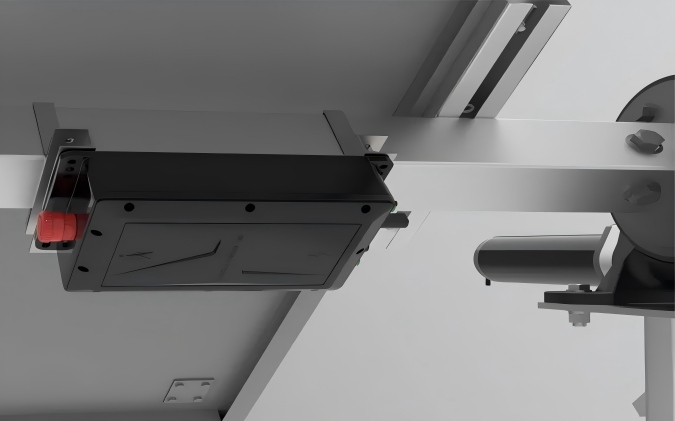
A TCU normally combines several control functions. Position management determines the target angle and helps keep the tracker aligned with the tracking strategy. Motor control converts that target into commands for the drive system. Feedback allows the controller to compare the intended position with actual equipment status.
Fault handling is equally important. A tracker may encounter a motor problem, communication interruption, abnormal feedback signal, or power issue. The controller should have defined logic for these conditions instead of leaving the equipment in an uncertain operating state.
Communication also belongs in the TCU design. A TCU platform needs to exchange information with field devices and, where required, higher-level monitoring systems. Good communication makes tracker status easier to access and can simplify troubleshooting when a problem occurs.
Solar tracking is based on determining where the sun should be relative to the PV array. Astronomical calculations can provide a predictable tracking reference using the project's location and time. The TCU then turns the calculated target into practical movement commands.
Real operating conditions can change the required behavior. For example, the tracker may need to move into a protective stow position under defined environmental conditions or stop movement when a critical fault is detected. These responses need to be included in the control logic rather than treated as separate functions.
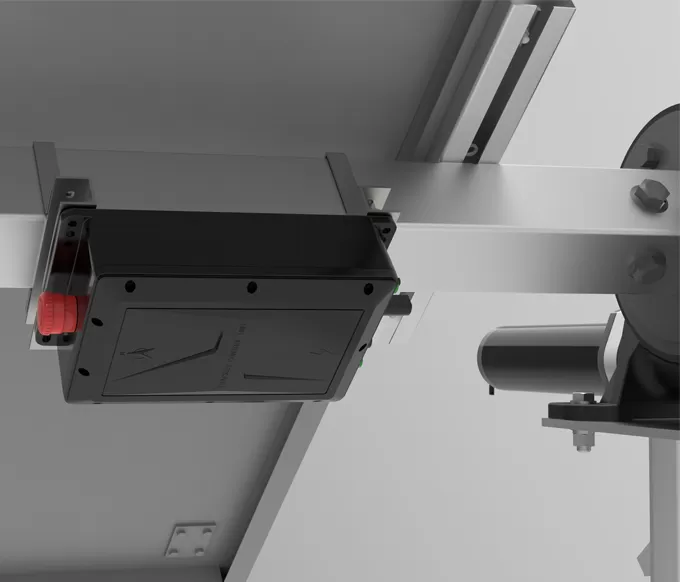
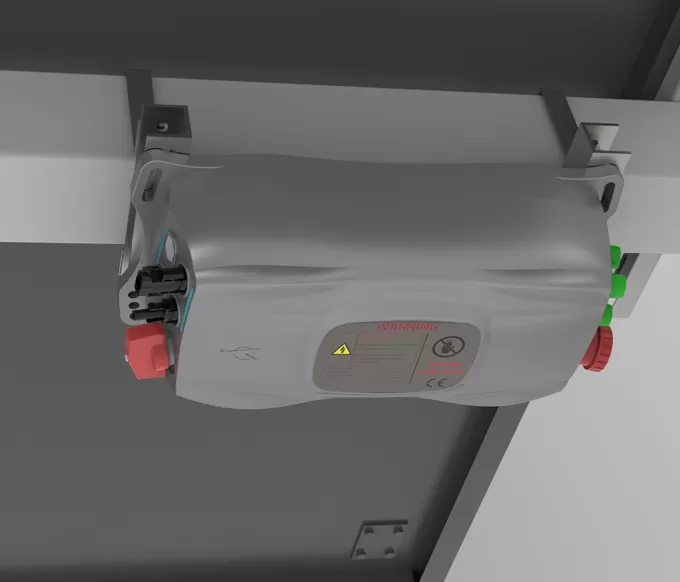
Zeyang's TCU platform is designed for solar tracking applications with functions such as real-time data, remote monitoring, and intelligent control. For EPCs and system integrators, the key question is how these functions fit the specific tracker and plant architecture.
Communication becomes increasingly important as the number of distributed tracker controllers grows. Field controllers need reliable connections with communication equipment and the plant network so that operating information can be transmitted and monitored.
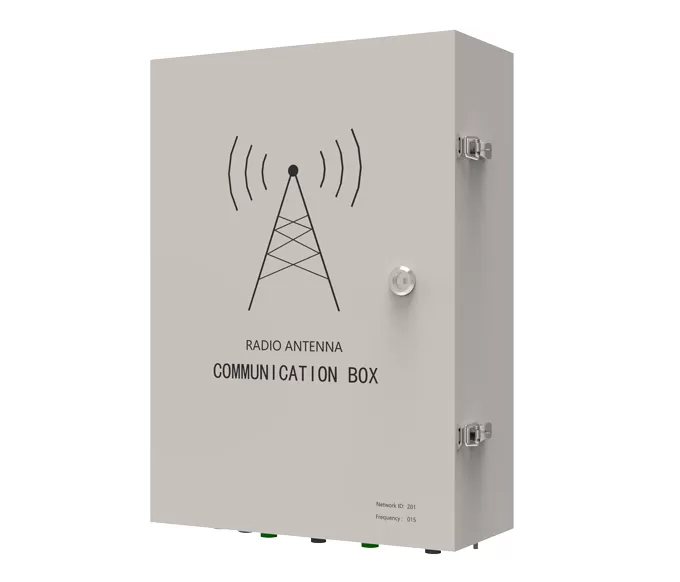
A network communication box can form part of this infrastructure by providing a structured connection between tracker equipment and the wider network. Its interfaces, communication compatibility, environmental suitability, and maintenance requirements should be considered together with the TCU.
Zeyang also provides a network communication box for tracker communication applications. The important point is that the network communication box and TCU should work as complementary parts of the same architecture rather than as independent devices.
Solar tracker controllers normally operate outdoors, where temperature changes, humidity, dust, rain, and other environmental conditions can affect equipment. The enclosure, connectors, cable entries, power supply, and installation method should therefore match the actual project environment.
Reliability also depends on how the controller responds to abnormal conditions. A temporary communication loss, unstable power supply, or position feedback problem should have a defined response. Clear diagnostics can also help technicians determine whether the problem originates from the TCU, drive system, communication network, or another component.
This is why a reliable TCU platform should be evaluated at system level. Hardware quality matters, but so do communication, software logic, power architecture, and integration with other plant equipment.
EPCs should define the tracker type, drive architecture, motor arrangement, position feedback, power requirements, communication protocol, environmental conditions, stow strategy, and monitoring requirements before comparing suppliers.
| Specification Area | What to Consider | Why It Matters |
|---|---|---|
| Tracker Architecture | Drive system, motors, position feedback | Determines how the TCU connects to the tracker |
| Control | Positioning, motor commands, fault handling | Defines the controller's actual responsibilities |
| Communication | Protocols, interfaces, network structure | Supports reliable field-to-plant data exchange |
| Environment | Temperature, humidity, dust, enclosure | Supports stable outdoor operation |
| Plant Integration | SCADA, monitoring, remote access | Provides centralized operational visibility |
A clear specification also makes supplier discussions more productive. Instead of comparing isolated features, EPCs can ask how the TCU, drive system, network communication box, and SCADA layer will work together.
Zeyang provides control and automation solutions for renewable energy applications. EPCs and system integrators can review the company's control and automation products when evaluating TCU and communication technologies. For projects with specific tracker or network requirements, teams can also contact Zeyang's technical team to discuss the application and integration approach.
| Component | Main Role | Typical Function |
|---|---|---|
| TCU Platform | Tracker control | Positioning, drive commands, status, diagnostics |
| Network Communication Box | Network connection | Communication interfaces and field data transmission |
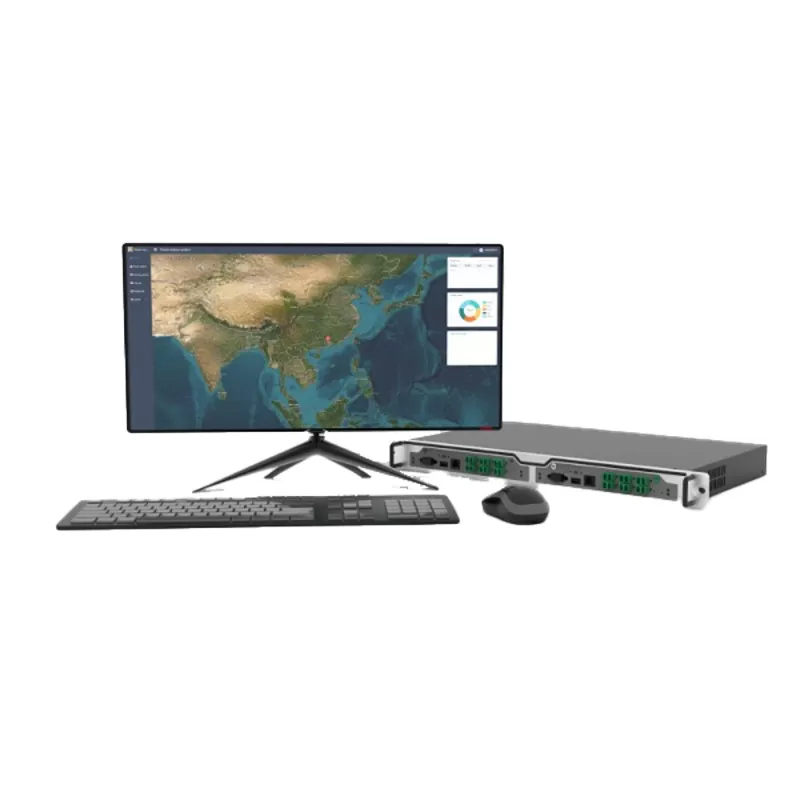
| SCADA System | Plant supervision | Centralized monitoring, alarms, and operational data |
The TCU platform works close to the tracker, while the network communication box helps connect field equipment to the wider network. SCADA then provides plant-level visibility. Keeping these responsibilities clear can make the overall architecture easier to operate and troubleshoot.
A tracker control unit should do more than tell a motor when to move. It needs to connect tracking calculations with physical movement, feedback, fault handling, communication, and plant monitoring.
For EPCs and system integrators, the best TCU is not necessarily the one with the longest feature list. It is the one that fits the tracker architecture, communicates reliably, handles abnormal conditions predictably, and integrates smoothly with the rest of the PV plant. Evaluating the TCU platform together with the network communication box and SCADA architecture can provide a more practical basis for long-term system reliability.
A TCU is a tracker control unit that manages tracker positioning, drive commands, status monitoring, and related control functions.
A TCU platform can manage positioning, motor control, feedback, fault handling, and communication according to the tracker architecture.
A network communication box helps connect distributed tracker equipment with the wider plant communication network.
No. The TCU focuses on tracker control, while the network communication box focuses primarily on communication and network connectivity.
Communication allows tracker status, faults, and operating information to reach monitoring and control systems at plant level.
They should define tracker architecture, drive requirements, control functions, communication, environmental conditions, stow behavior, diagnostics, and SCADA integration.